

The historical evolution of gambling A journey through time and chance in chicken road
The Origins of Gambling
The history of gambling dates back thousands of years, with its origins rooted in ancient civilizations. Archaeological findings suggest that early forms of gambling were practiced in Mesopotamia around 3000 BC. The thrill of chance captivated people, leading them to play rudimentary games of chance using dice made from animal bones. These early games provided not just entertainment but also a means of engaging in trade and social interaction. As societies expanded, many would find excitement along the chicken road, where chance and fortune intertwined.

As societies evolved, so did gambling practices. Ancient China introduced betting on games such as keno, while the Romans popularized betting on chariot races and gladiatorial contests. As trade routes expanded, these practices spread across continents, influencing various cultures and laying the groundwork for the modern gambling landscape we see today.
The Rise of Casinos
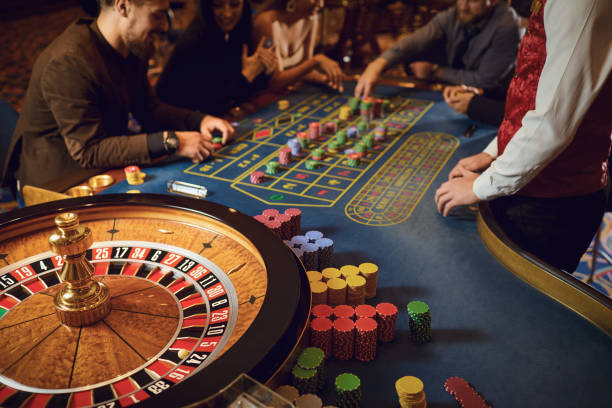
The establishment of formal casinos began in the 17th century, with Venice’s Casino di Venezia being one of the earliest. These venues offered a structured environment for gambling, attracting the elite and creating a culture around high-stakes gaming. The allure of casinos expanded throughout Europe, with France contributing to the evolution of games like roulette and baccarat.
By the 19th century, casinos migrated to America, particularly in places like New Orleans and later Las Vegas. The glitzy charm of Las Vegas transformed gambling into a mainstream form of entertainment, featuring high-stakes tables and extravagant shows, captivating millions and solidifying its place in popular culture.
The Impact of Technology
The technological revolution of the 20th and 21st centuries drastically changed the gambling landscape. The introduction of electronic slot machines in the 1960s revolutionized casino operations, offering players instant gratification and a new form of interaction. As technology continued to advance, online gambling emerged, allowing individuals to place bets from the comfort of their homes.
This digital shift not only expanded the audience for gambling but also introduced innovative gaming options such as live dealer games and mobile betting. As a result, high-stakes gambling became accessible to a broader audience, enhancing the experience through cutting-edge technology and real-time interactions.
The Modern Era of Gambling
In today’s world, gambling is more than just a pastime; it has evolved into a multi-billion-dollar industry. The legal landscape around gambling has changed significantly, with many jurisdictions opening their doors to both land-based and online casinos. This evolution has led to increased regulation, ensuring a safer environment for gamblers.
High-stakes gambling remains a focal point in this modern era, attracting high rollers and creating an aura of exclusivity around particular venues. Events like the World Series of Poker exemplify how gambling has become a competitive sport, further integrating it into the mainstream culture.
Exploring Chicken Road
Chicken road has become synonymous with high-stakes gambling, drawing enthusiasts from all walks of life. Known for its vibrant atmosphere and diverse gaming options, this location embodies the spirit of competition and chance. The fusion of traditional and contemporary gambling practices creates a unique experience that captivates visitors.
As gambling continues to evolve, chicken road stands as a testament to the enduring allure of chance. With a rich history intertwined with the evolution of gambling, it offers an exciting glimpse into what the future may hold for this ever-changing landscape. Whether you’re a seasoned gambler or a newcomer, chicken road promises an unforgettable journey through time and chance.